Simple process. Honest numbers. No surprises at closing.
Whether you're selling a fleet or buying one, here's exactly how working with Vortex goes.
The process
Evaluation
You tell us what you have (or what you need). We inspect in person or review your fleet data and photos.
Condition report
Every unit gets a written, honest assessment. This is the foundation for everything that follows.
Offer or plan
Selling fast? A firm direct-purchase offer. Maximizing return? A consignment and auction plan with a projected range. Buying? Units with reports attached.
Close
Titles, transport, and payment handled. Clean settlement on both sides.
Real condition reports
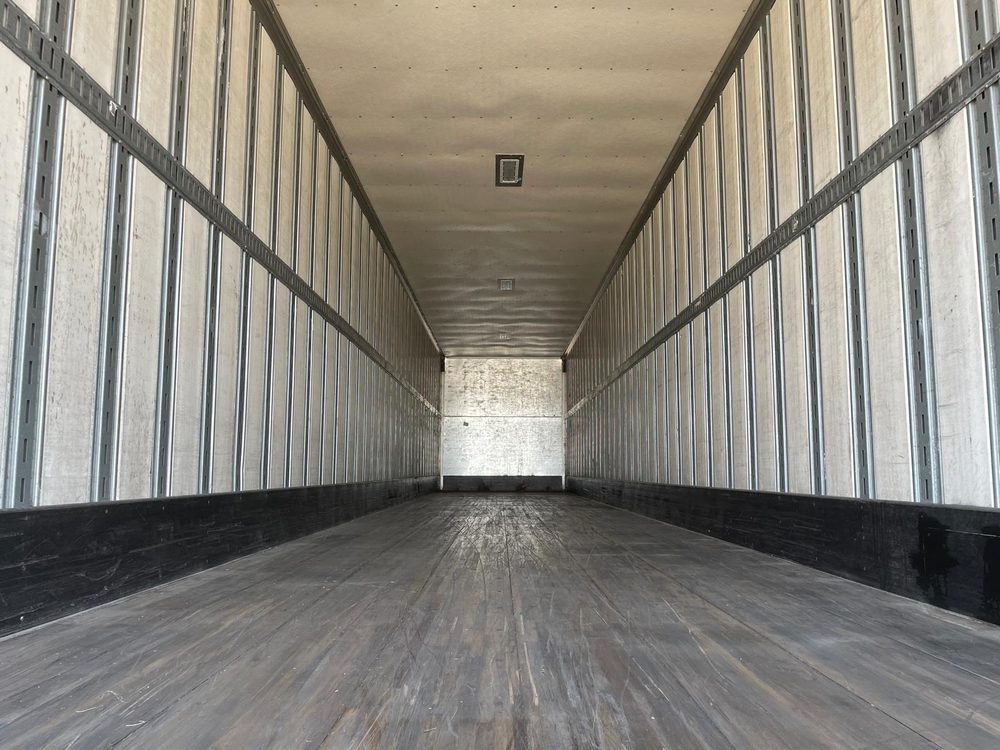
Most trailer sales run on a couple of photos and a phone description. Ours run on an inspection. For every unit we document:
- Tires and brakes
- Floor, walls, roof, and doors
- Landing gear, suspension, and lights
- Reefer unit make, hours, and service history where applicable
- Damage, prior repairs, and DOT status
Buyers get a report before they travel. Sellers get a report that supports the price. Lenders get a document for the file.
Honest advice on reconditioning
Here's something most brokers won't tell you: a lot of reconditioning spend never comes back at sale. New paint on a 2014 dry van usually doesn't move the price. A set of tires or a floor repair often does.
Before you spend, we give you a straight recommendation — fix this, don't bother with that — based on what buyers in this market actually pay for. Sometimes the answer is "sell it as-is." We'd rather you keep that money than spend it on us.
We know this region and this equipment
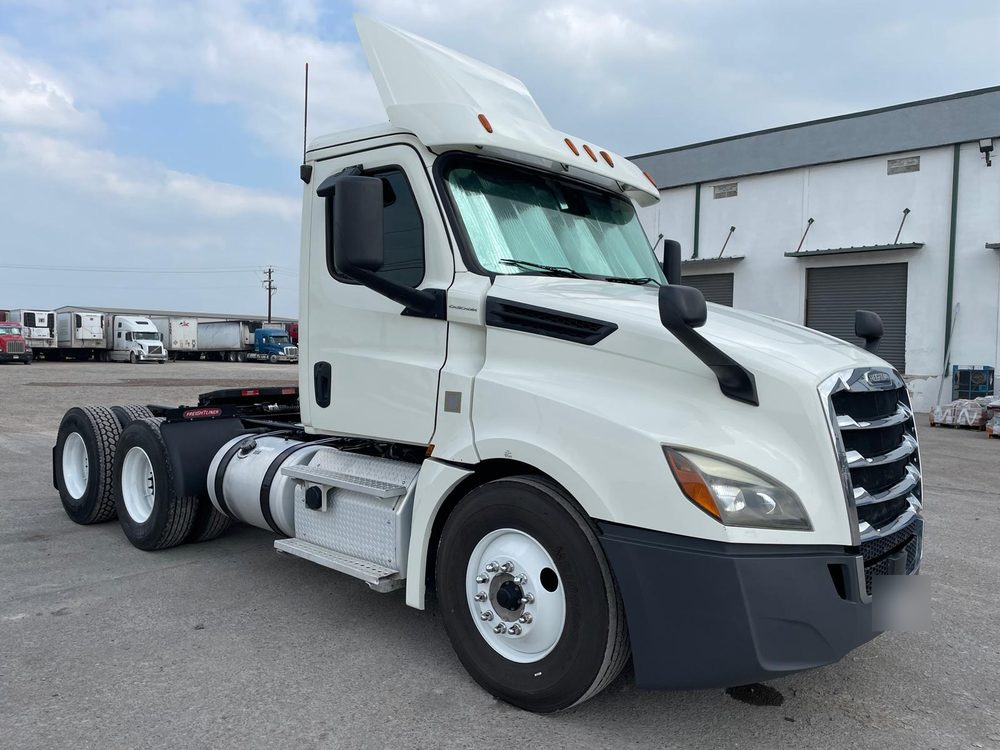
Vortex is based in South Texas and works across the Southern U.S. We know what a Gulf Coast reefer fleet looks like after five years of runs, what buyers in the region are paying, and where the demand is for each trailer type. That local knowledge shows up in the accuracy of our offers and the speed of our sales.
Ready to talk?
A phone call is the fastest way to find out what your fleet is worth.